Dóchas Guide to Ethical Communications
Section 1
Introduction and values
The Dóchas Guide to Ethical Communications is a resource for international humanitarian and development non-governmental organisations (NGOs) when designing and implementing their communications.
It is an updated version of The Dóchas Code of Conduct on Images and Messages (2006) and The Illustrative Guide to the Dóchas Code of Conduct on Images and Messages (2014).
As international NGO (INGO) staff, we understand that imagery and messages used to portray people, places and situations in the global south can have an enormous impact on perceptions and attitudes. We also recognise that we have a responsibility during and after the content creation process to do no harm to the people and communities we work with.
The guidelines ask INGOs, therefore, to critically reflect on the messages they create and the imagery they choose, and to respect the dignity, privacy and security of content contributors. They also call on organisations to explore the implications of the language and terms they use. Furthermore, it is vital that content producers are always cognisant of possible power dynamics within the creative process.
Recognising the need to shift focus away from INGOs and place greater emphasis on the work of local organisations and partners in development settings, the guidelines also encourage INGOs to diversify voices and perspectives in their communications. This involves putting critical reflection from local organisations, partners and communities in the global south and all development and humanitarian settings at the centre of the story, including consideration of how content is gathered.
The guidelines are founded on three core values:
Respect for the dignity of people concerned
Belief in the equality of all people
Acceptance of the need to promote solidarity, fairness and justice.
What do the three values mean in the context of ethical communications?
Respect
Respect means appreciating the people and situations INGOs are working with and showing consideration for people’s privacy and dignity. It means regarding people as active, valuable and capable agents of change in their own lives.
Equality
Equality is about respecting the rights of all people, applying the same standards to everyone, promoting an appreciation of diversity and committing to non-discrimination.
Solidarity
Solidarity is about using practices, images and messages that promote working together with, rather than on behalf of, communities.
Fairness and justice
Fairness and justice are about highlighting the causes of poverty and humanitarian crises, calling for actions to address them and implementing a rights-based approach to development.
Since the Guide was first introduced, the nature and pace of communications have changed. New and faster digital channels mean that information is now disseminated more rapidly and more widely in terms of geographical coverage, scale and type of audience. As the information we produce can be viewed anywhere and shared by anyone, we must take even greater care with what we create, and work to uphold the principle of Do No Harm, which all development and humanitarian organisations seek to live by.
The purpose of this Guide
The Guide is a support to organisations seeking to implement best practice in ethical communications. It outlines key considerations and good practice for those working with imagery and messages in development and humanitarian settings.
Who should use this Guide
The Guide is intended for people employed by NGOs and other organisations who work on development- and humanitarian-related issues such as:
- senior management and governance personnel who approve the organisation’s overall policies
- staff and volunteers working in
programming, fundraising, global citizenship education, communications, advocacy and policy advisory roles - agencies and individuals contracted by INGOs to supply professional services such as copywriters, creative designers, journalists, photographers, film crews, translators and interpreters.
It can also be used by decision makers who are responsible for communicating images and messages about development and humanitarian settings. These include editors, journalists, photographers, film crews, picture editors, and post-production and contract staff.
A complementary resource
The Guide does not replace the internal policies and procedures that individual organisations have in place; rather it is intended to link to and complement organisations’ internal material. For smaller organisations who may not have the means to develop extensive policies internally, it is hoped that the Guide will serve as an instantly available, user-friendly resource that can be readily adopted.
Which communications are covered?
The Guide is relevant to all types of communications and content produced by INGOs. The most common forms are:
• fundraising events and campaigns
• TV advertisements
• social media
• charity gifts campaigns
• humanitarian appeals
• media interviews
• newspaper reports (digital or print)
• annual reports
• sponsorship-related material
• volunteer recruitment and training
It is important to apply ethical practice across all internal and external communications material.
Section 2
Four Commitments
Commitment 1:
Authentic representation
We commit to providing truth and context when portraying the lives of individuals and communities we work with.
What does it mean in practice?
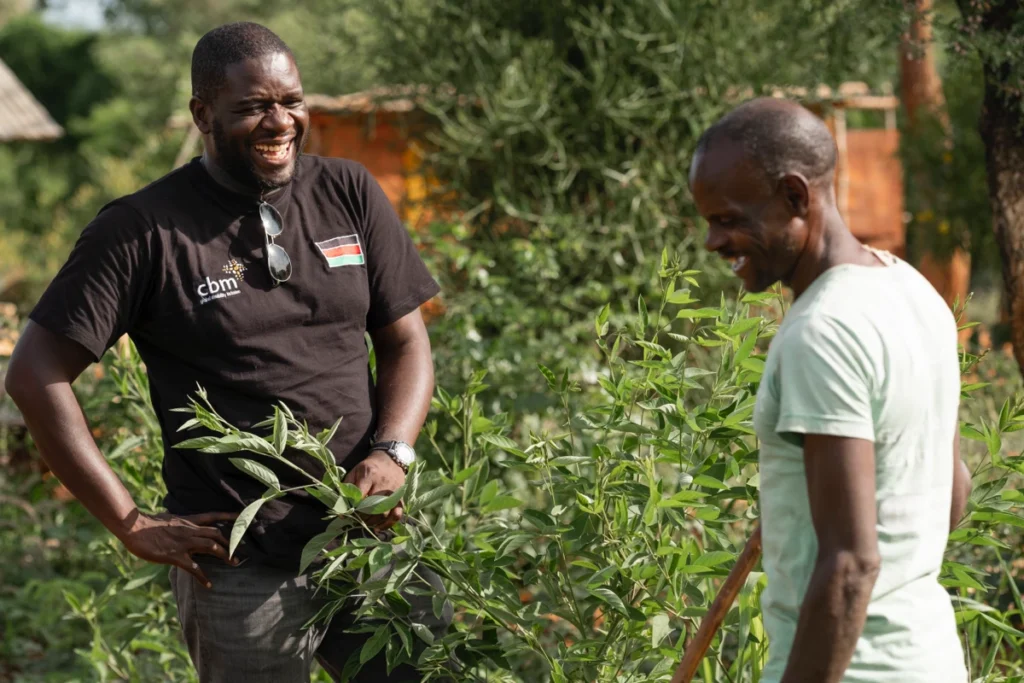
We will avoid misrepresenting communities by presenting one small part of a larger picture and reinforcing stereotypes in communications. Instead, we will choose imagery and messaging that show the dignity and agency of people living through difficult situations. We will provide appropriate context and nuance in the narrative to help convey how people themselves work for change.
We will aim to avoid evoking pity or charity and instead promote images of local and international cooperation and collaboration.
We will strive to recognise the efforts of everyone involved in making change happen: not only the individuals and communities we work with, but also our local staff, as well as local development and humanitarian partners and organisations.
Steps you can take
Context
- Include captions with images as a rule, unless there is a specific and justifiable reason not to.
- Name regions, localities or communities and, where possible and appropriate, include exact information about people and places.
- Endeavour to depict the culture of a place or community.
- Highlight specific over generic issues.
Local portrayal
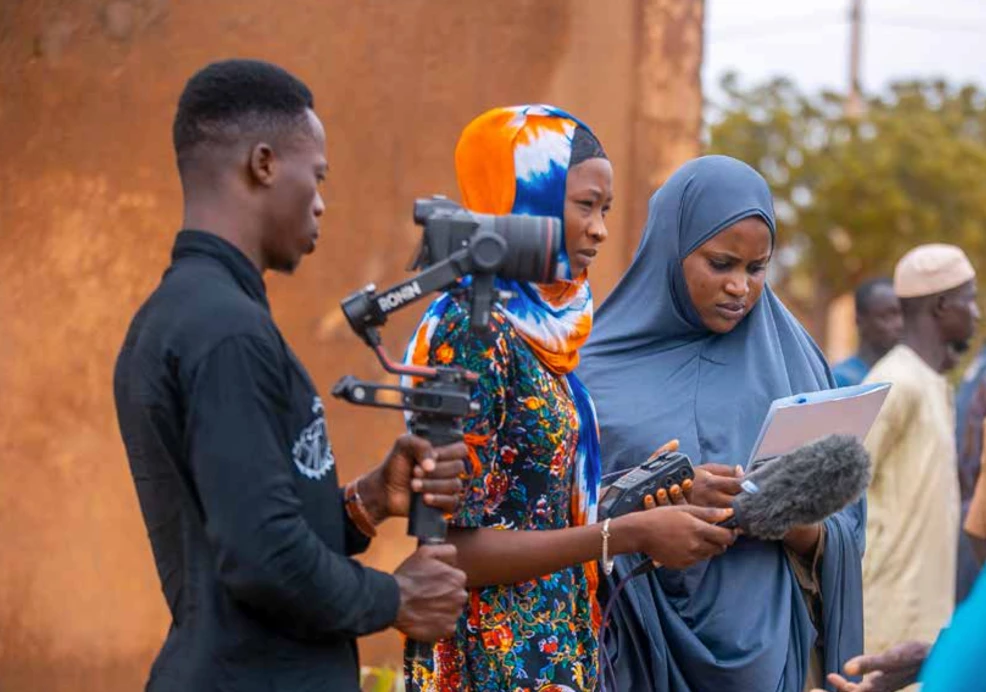
- Try to engage or hire local staff or service providers who understand the context and can interpret nuance in interviews and advise on the choice of imagery and messages.
- Ensure that the work of local staff and organisations is portrayed where relevant and avoid putting international efforts to the forefront.
- Ensure that efforts of contributors and their communities in finding their own solutions is represented in your narratives.
Diversity
- Try to portray a range of people in images rather than repeatedly using photographs of children, or women and children. Create diversity by including men, older people, people with disabilities, and other groups.
Show women and men in a variety of roles. - Give voice to women’s and minorities’ experiences and points of view, in addition to representing them in images.
- Try not to generalise diverse groups of people under the terms ‘they’ or ‘these people’
Accurate portrayal
Avoid focusing solely on donations as a solution to the problems of poverty and inequality.
Avoid instilling the idea that ‘aid is the solution’ to all development and crisis situations – show nuance and complexity, underlying causes and effects.
When using images of people in vulnerable situations, avoid focusing on individuals’ suffering – instead emphasise the reasons for the situation.
Make efforts to ensure that the original imagery or messaging has not been compromised. For example, when editing, be careful that the meaning of a story is not altered or distorted. If text is significantly edited or added to, state this clearly in the final version.
‘Staging’ of scenes should not misrepresent reality. For example, if a person with a disability normally uses a wheelchair to move around, do not portray them moving without one for the purpose of the image.
If models or actors are used in content creation, it should be made clear to the audience.
Technical tips
Widen out the image or video. Consider using a photo story (a series of images that show stages of a project) or video story to provide more information on a complex situation.
Avoid cropping images where possible.
It may exaggerate vulnerability and desti-tution, especially of children. Cropping can also be misleading. Consider if supporting copy or captions can address this where relevant.
Where footage has been slowed down, consider its effect. Footage that has been slowed down can give the impression that the people portrayed are weak or powerless.
Be careful when framing a photograph.
Consider the angle of the photograph. For example, avoid taking images looking down on a person or group where it creates an impression of vulnerability.
Try to avoid taking a close-up photograph where inappropriate or invasive, especially of someone who is injured, ill or dying. Similarly, consider if an image is appropriate where people are not fully dressed.
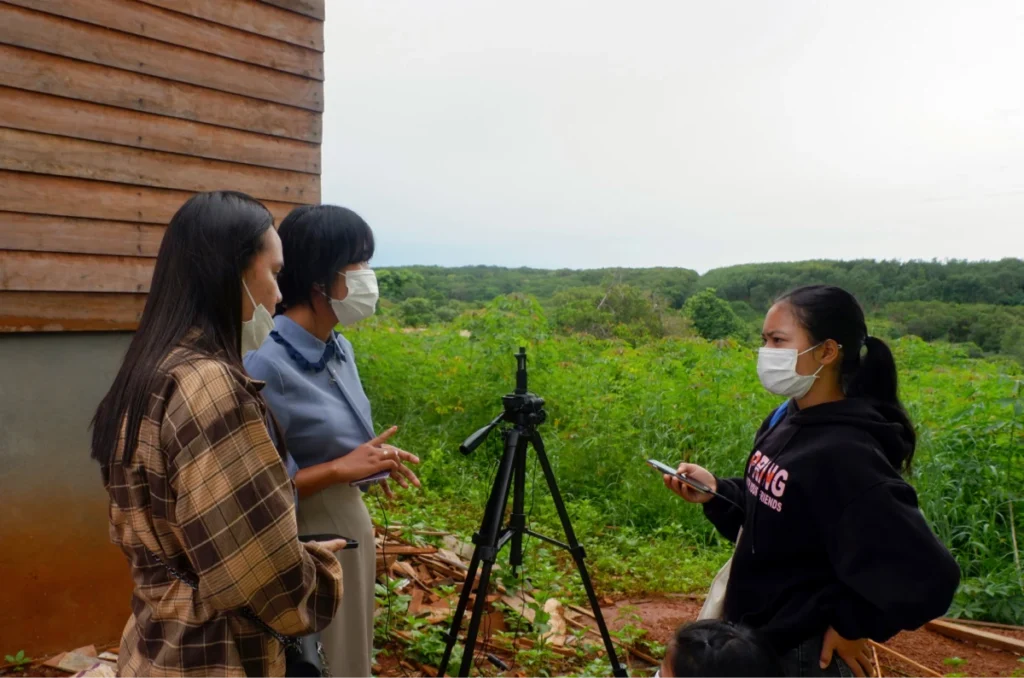
Recording interviews can help to ensure the views and input of contributors are truthfully represented.
Take steps to ensure that translation and interpretation are a true reflection of the content gathered during interviews.
On social media, use hashtags, short descriptions or threads to present the information essential to understanding the situation. Where possible, link to a web page with additional information.
Reality check
Does your content:
- blend countries or communities into one indistinct composite?
- emphasise what communities lack, rather than what they are striving for?
- show your contributor (or their guardian) as a passive victim, lacking self-motivation, resilience or innovation?
- portray INGOs as the main drivers of change and humanitarian relief, the ‘heroes’ in the story?
- appeal to potential donors by making them ‘the saviours’ of disadvantaged individuals or communities?
- use stock imagery or footage unrelated to the specific story or period?
Commitment 2:
Contributor-led stories and locally led
content development
We commit to putting the people and communities we work with at the centre of our communications.
What does it mean in practice?
We will centre stories on the people seeking change, rather than defaulting to the narrative from INGO workers or ‘western’ experts only.
This offers audiences an authentic, first-hand perspective and shows respect to contributors in development and crisis settings. Narratives using the first-person ‘I’ or ‘we’ help to shift the balance to the person in the frame and to their lived experience.
Steps you can take
Content research and planning
- Try to involve local staff, experts and protagonists at the content research and planning stage, to decide which story to capture, and the best approach and format to follow.
- Where possible, use local staff, or agency and freelance content providers, whether photographers, videographers, researchers or interviewers. Local media people can also help gather the best content for the story. Where necessary, employ skilled and trusted local translators or interpreters appropriate to the situation (for example, in some cultures it is better to use female translators for interviews with women).
Content creation
- Enable individuals or communities to tell their own stories and to give their own analysis and ideas for solutions.
- Include a diversity of voices to represent the breadth and complexity of a situation and to avoid the pitfalls of stereotyping.
- Consider power imbalances that may restrict people’s ability to contribute meaningfully.
- Make sure that participants are given the opportunity to voice any concerns they may have about the content creation process, whether before, during or after the event.
Similarly, make it possible for them to express how they might want the content to be used, and to whom they might like to see it circulated. - Try to avoid a ‘Eurocentric’ approach.
For example, where experts are used to comment on an issue, cite local individuals, not ‘western’ ones.
Practical support
- Protagonists could have logistical issues in taking the time to work with us. For example, they might miss work, incur expenses in the course of meeting us, or have transport requirements. Plan to provide refreshments and/or to cover basic costs to ensure that potential participants can take part.
Reality check
- Are the leading voices those of the individuals or communities seeking change or experiencing a crisis?
- Does your imagery or messaging promote the active role of people in their own development or emergency response?
- Does it offer a fair reflection of working relationships between INGOs and local partners or communities?
- Where possible, do you use local providers (photographers, film crew etc.) and are they appropriate for this particular situation?
- Are the voices of individuals seeking change absent from the story?
- Are INGOs and/or ‘western’ experts at the centre of the story?
- Are local organisations who deliver services absent from the story? If so, is this justifiable?
- Do contributors in interview footage appear uncomfortable with the message they are conveying?
Commitment 3:
Informed consent
We make a commitment that all content is obtained with the full understanding, participation and permission of those featured, or in the case of children, of their parents or guardians.
What does it mean in practice?
Before researching a story, or taking film footage or photographs, we will establish informed consent from the contributor. This means that the person is aware that their image or story will appear in a particular way in internal or external communications, and they understand where and how information will be used. We will ensure that they do so free from any pressure, whether implicit or explicit, or false expectation that they may benefit financially or otherwise from participation.
We will be conscious that some people may not want their personal details made public, or that publication could pose a risk to their security. It is important to ensure that contributors fully comprehend any implications there may be for themselves, their families or their communities when participating.
We understand that all EU-based organisations also have legal requirements under General Data Protection Regulation
(GDPR) legislation even where information is collected outside of the EU. We are cognisant that having meaningful consent can be a time-consuming process and calls for planning and patience to be confident of best ethical practice and compliance with GDPR requirements.
Steps you can take
Preparation
- Get written permission or, at the very least, verbal consent before taking and using photographs or video footage of individuals. Using a pre-prepared printed consent form or a digital app will help. See below for guidance on which situations warrant which type of consent. Where written consent is not possible, a clear verbal explanation of what consent involves should be provided.
- Where language is an issue, try to engage a locally trusted interpreter or translator, who can explain what consent means and ensure that it is fully understood.
- Ensure participants do not feel pressured.
- Where possible, show samples of the kinds of material you produce so that people can visualise how their personal details and stories might be used.
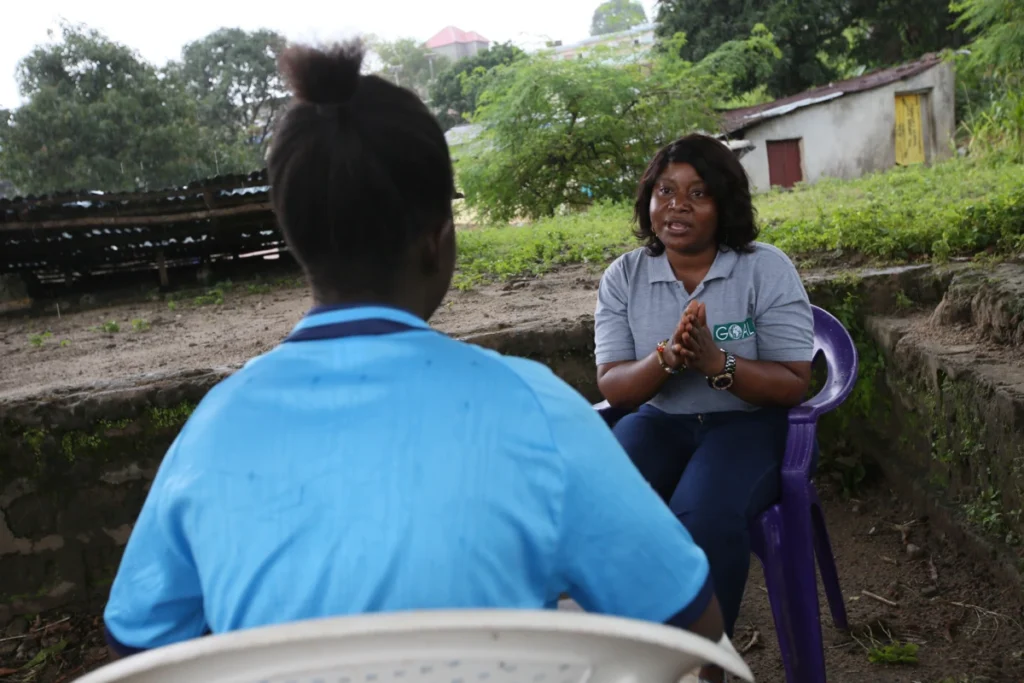
- Take time to establish rapport with the people being interviewed, photographed or filmed. Through dialogue you can be more confident that consent is meaningful.
- Once consent has been given, be as accurate as possible in recording names and details of the situation and location, bearing in mind there will be circumstances in which anonymity is required to protect the interests of participants. For more details see page 16.
- Establish and record whether participants wish to be named and always act accordingly. People in the photos, video or story may not wish to be identified for security reasons. This should always be respected.
Content gathering
- After you have taken the images, show them to the people who appear in them and ask if they are happy with them. Delete those they are not happy with and make a note of any favourites.
- In the event that spontaneous or unplanned images are captured, make every effort to immediately inform the relevant people of the purpose of the photograph or footage, and ask for consent. If consent is refused, the image or film should be destroyed.
- Be mindful that there are questions contributors may not want to answer; avoid pushing when this becomes evident. If in any doubt, end the interview.
Editing and post-production
- Make every effort to show the drafted content to participants and be willing to edit material on request.
- Ensure that what is agreed with contributors at the outset, for example at interview stage, is respected all the way through the process, including in postproduction and even long after the event where the content is still in use.
- Ensure that the principles of informed consent are respected fully when giving content to third-party providers at any stage of the process.
Consent in Particular Situations
What is informed consent?
Merely identifying people in our content or gaining permission for use of material does not mean we have informed consent.
Consent must be meaningful – participants must be aware of and fully understand what they are agreeing to. They should do so free from any type of pressure, or false expectation that they may benefit financially or otherwise from participation.
Check that participants realise that with digital channels, particularly social media, audiences for the material may be large in number and spread across wide areas. The content could be seen both locally and in other countries and continents – are they comfortable with this?
Children and informed consent
Gathering information about children is particularly sensitive. It is crucial to establish who can give consent for obtaining photographs, video footage or details about a child – normally a parent or guardian. Even where consent is given for using imagery of a child, many organisations choose not to name children who appear in their publicity materials in order to protect their identity.
Groups of children
When creating content featuring groups of children, informed consent is needed from parents or guardians, normally in advance.
How you do this will vary depending on the situation. In some cases, for example in schools or youth groups, the administration will send out requests for permission ahead of time. Alternatively, they may have ongoing consent arrangements in place. In any case, evidence of consent is needed.
Consent for crowds and groups at public gatherings
It may not be possible to obtain consent for all participants in all situations, such as in large crowds. A general rule is that individual consent is not required where people appear in large groups in a public space and a non-sensitive context, and where no personal information about individuals is visible. However, in contexts that could be considered sensitive, for example a public protest where there could be a risk to individuals, or a health or refugee centre, individual consent should be obtained.
Alternatively, where necessary, faces and identities can be blurred or obscured in images used.
Consent for private groups in non-sensitive contexts
When creating imagery of adult groups in regular private group situations, such as at community or partner meetings or training sessions, informed consent is also generally required. While it can be a time-consuming task, looking at practical ways of ensuring informed consent ahead of the event can help. For example, when joining a gathering, participants could sign a form which clearly explains how imagery will be used. Alternately, a vote could be taken after a verbal outline of the process is given. Where obtaining individual signatures is impractical, there may be a group representative who can guarantee consent on behalf of others. Bear in mind, however, that consent must be meaningful, and a representative must have the trust of the group. In addition, have a protocol on how to proceed should one participant in a group withdraw consent at a later stage.
The use of coloured stickers or lanyards is becoming more common today, with the colour indicating whether a person is happy being photographed or not.
GDPR Requirements
While some of the best practice guidelines may vary from organisation to organisation, it is vital that they are all aware of GDPR regulations and adhere to them. The following actions must be taken in order to ensure GDPR compliance:
- Get recorded (written or verbal) consent from people whose image you intend to use.
- Store relevant names, dates and other contextual information with the images and the signed consent for their usage.
- Clearly explain what the images will be used for.
- Inform subjects about how long their image will be held.
- Explain that they can withdraw consent at any time and give them the necessary means to do so.
- Have processes in place to ensure images are deleted once consent has been withdrawn.
Reality check
Does your content:
- Have all participants in your content agreed to their image or story being included? Are they okay with their personal information being used too?
- Is there a power dynamic that may have influenced their agreement to consent? If so, has this been addressed?
- Do participants understand where and how the material will be used, and for how long?
- Do they know, where relevant, that there could be negative consequences from sharing their story? If so, can you mitigate this?
- Do participants know that they can remain anonymous?
- Do they know they can withdraw consent at any stage and how to do this?
- Do participants want to see the material before it is used? If so, how will this happen, and will you be willing to edit on request?
- In group situations, are you confident that we have informed consent where necessary, and that it is reliable (for example, where it is given by a group representative)?
Commitment 4:
Upholding standards and Doing No Harm
In planning, gathering and disseminating content, we will conform to the highest standards and international instruments relating to human rights, and commit to the protection of people in vulnerable situations and those with specific needs.
What does it mean in practice?
We will respect the provisions outlined in key international standards and covenants as an integral part of upholding the principle of Do No Harm. Throughout the content design and delivery process, safeguarding the needs of the individuals and communities whose stories we tell must come before those of the organisation.
The covenants most relevant to upholding human rights standards in our communications include:
- the Universal Declaration of Human Rights
(UDHR), which states that all human beings are born free and equal in dignity and rights - the Convention on the Elimination of All Forms of Discrimination against Women
(CEDAW), which guarantees women’s rights to participate fully in their community, express their opinion, and make choices - the UN Convention on the Rights of the Child (UNCRC), which states that children who are capable of forming their own views have the right to express those views freely in all matters affecting them.
- the UN Convention on the Rights of People with Disabilities (UNCRPD), which ensures the full and equal enjoyment of all human rights and fundamental freedoms by all persons with disabilities, and promotes respect for their inherent dignity.
Steps you can take
- Consider the power imbalances (perceived or real) between INGO personnel and communities or individuals, in particular where people may feel under pressure to participate in content creation.
- Avoid creating an expectation that people might benefit directly, through the receipt of aid or resources, by taking part.
- Carry out a risk assessment in line with your safeguarding policy. Are you confident that you will not expose individuals or groups to personal risk through your work?
- Make every effort not to capture film footage or photographs of situations seen as culturally inappropriate in communities where you work.
- Consider whether you should opt for anonymity to ensure the protection of people in vulnerable settings or situations, or people with specific needs.
- Consider, along with your local partners where relevant, whether there is any risk involved where a person’s or group’s identity is recognisable, and always err on the side of caution.
- Consider whether it is appropriate to identify or give personal details about children, especially if they are conveying a sensitive story.
- Encourage staff to speak out where they see risk. Wherever INGO staff or partners believe the principle of Do No Harm could be breached or there is a safeguarding issue, empower them to raise a red flag and give guidance on the best mechanism for doing this.
- Ensure the content produced is fully accessible to all, including those with visual and/or hearing disabilities. This means that all content producers should refer to the UN’s Disability-Inclusive Communications Guidelines, or similar, in their communications.
When should we opt for anonymity?
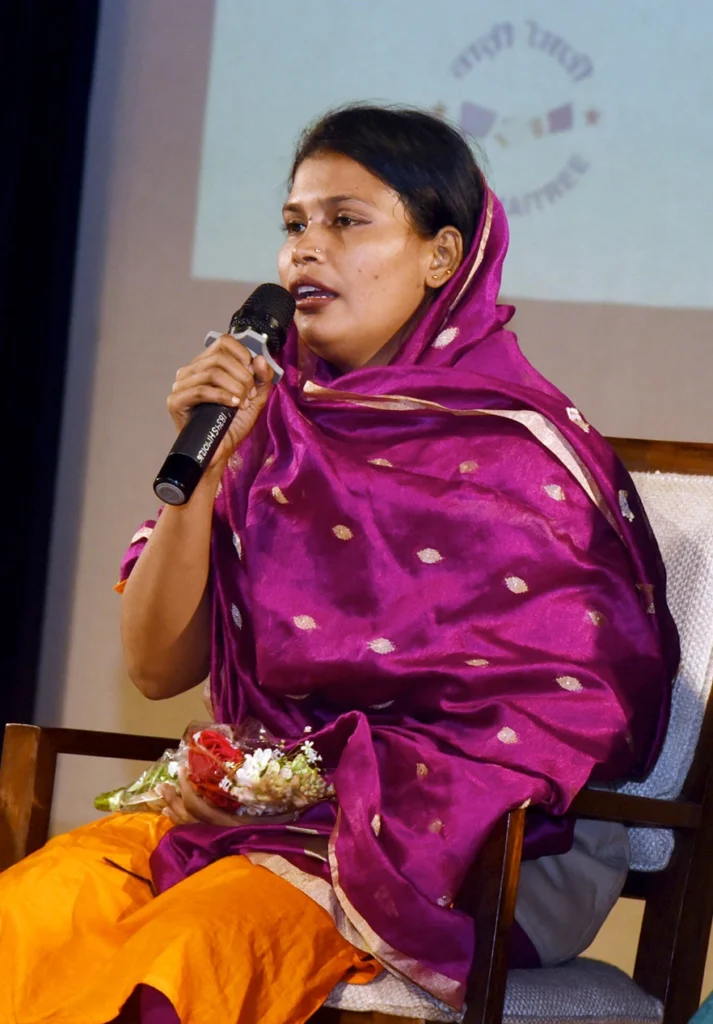
- When people have fears about certain information being made public or concerns that the information they provide could be traced back to them and threaten their security.
- When working with victims of sexual or gender-based violence, people living with conditions such as HIV or AIDS or anything that carries stigma in a community. Whistleblowers or activists in politically sensitive contexts might also need protection.
Remember to:
- consider masking both a person’s image and voice to ensure they are not recognisable
- manage any technology that could reveal the location or timing of content creation and anything about the individuals involved. For example, disable Geographical Information System (GIS) on cameras, and location services or identifiers on social media and apps
- consider using models or actors in cases where there is a risk involved. If you opt to do this, it should be made known to the audience.
Reality check
- Have you acted in the best interests of your participants, ensuring you do no harm over the full course of the communications process?
- Have the freedom, dignity, privacy and security of the participant been protected?
- Have you involved local staff with an understanding of context and culture to mitigate risks to participants in sensitive situations?
- Has there been sufficient protection for children and other groups with particular needs?
- Where working with individuals who have experienced trauma, have you taken extra care to ensure no further harm is caused?
- Have you reflected on how matters of race have been portrayed in your content and in the creation process?
- Have you reflected on how matters of race may affect our target audiences?
- Have issues of gender and gender equality been considered and have you given sufficient voice to women and the LGBTQI+ community?
- Have the rights of people with disabilities been respected? Have they been included in your stories, and if so, have they been fairly and accurately portrayed?
- Will your communications be accessible to people with disabilities?
Safeguarding and protection of children – what can we do?
Working with children is a particularly sensitive area and can present unique challenges. INGOs should fully comply with the UNCRC provisions. A sample of which are outlined below. In addition, consider the following issues regarding safeguarding, protection and informed consent:
- Stories and images of children should be captured with the best interest of the child in mind.
- The dignity of the child is a key consideration when deciding how he or she is portrayed. Avoid exaggerating or sensationalising the vulnerability of a child or group of children.
- When taking images of children, where possible, ensure they are pictured with their parent/in their parent’s arms.
- Focus imagery, where possible, on an activity, and preferably show children either in groups or with family.
- All staff, including communications personnel, should receive child protection training in line with safeguarding and vetting practices.
- More than one staff member should be present when working with children.
- Third-party providers such as contracted photographers, film crew or journalists are not allowed to spend time with or have access to children without supervision.
- Ensure any complaints or concerns about inappropriate or intrusive imagery are reported and recorded.
- Avoid revealing details about children that could endanger them.
→ For details on consent when working with children, refer to page 11.
Convention on the Rights of the Child - UNCRC
The Preamble states: “the child, by reason of his physical and mental immaturity, needs special safeguards and care, including appropriate legal protection”
Article 17 of the CRC notes: “State parties recognize the important function performed by the mass media and shall ensure that the child has access to information and material from a diversity of national and international sources, especially those aimed at the promotion of his or her social, spiritual, and moral well-being, and physical and mental health.”
When planning communications and gathering content relating to children, ensure that you:
- foster participation by children and young people by enabling them to express their views freely and imparting information/ideas of all kinds
- engage with children and young people in order to learn from them
- where possible, inform people about the positive actions taken by children and young people at local, national and global levels
- avoid creating vulnerability where it does not exist (for example, images looking down on children).
The four commitments – a final checklist
In planning, gathering and disseminating content, can you say your process will:
- result in imagery and messages reflecting the values of respect, equality, solidarity, fairness and justice underpinning our work?
- produce authentic representation, where images, footage and written content reflect reality, including the broader context?
- convey how the communities you portray strive to achieve development and change, or their efforts during humanitarian crises?
- avoid representations that potentially stereotype, sensationalise or discriminate against people, situations or places?
- improve public understanding of the realities and complexities both of long-term development and humanitarian situations?
- facilitate stories led by contributors and their communities?
- adequately reflect the work that local development and emergency response organisations perform?
- ensure content comes with meaningful consent of contributors or their guardians?
- conform to the highest human rights standards and uphold the principle of Do No Harm?
- promote long-term engagement by a variety of actors over a short-term response from donors?
Section 3
Accountability and feedback
The Dóchas Guide to Ethical Communications is self-regulatory. Organisations are responsible for their own performance and members of the public can hold them to account. However, Dóchas member organisations agree to achieving a minimum level of compliance as set out below.
In signing up to the commitments, organisations agree to:
- Refer to the commitments on their main website by displaying them, together with the logo, either on their Homepage or About us section.
- Refer to the commitments in their annual report.
- Fill in and return a Dóchas questionnaire on their implementation of the commitments on an annual basis.
- Take part in peer dialogue and reporting in the form of the Dóchas annual meeting on the guide.
- Appoint an Ethical Communications Commitments Champion.
- Take part in annual training/information sessions on ethical communications, the guide and accompanying resources, organised by Dóchas. These sessions will be for staff, management, volunteers and partners or third-party providers involved in the communications process.
- Provide explicit information on feedback and complaints mechanisms in a prominent location on their main website.
- Ensure the Board discusses commitments compliance at least once every 12 months.
- Keep relevant organisational policies and procedures in sync with the commitments.
- Integrate the four commitments into all relevant communications and/or organisational plans.
As part of the minimum criteria outlined above, it is the responsibility of each organisation to ensure that staff are adequately trained and understand:
• the four commitments and the guidelines
• the values that underpin them
• how they affect their day-to-day work.
As a signatory organisation, it is important to ensure that the commitments and guidelines are internalised by the whole organisation.
While buy-in at senior management level is important, the commitments to ethical communications will only be successful if everyone is involved in their implementation.
It is also important to note that the principles contained in this Guide should be implemented in all the organisation’s activities, and this should be reflected in the content of the training.
Dóchas Guide to Ethical Communications Logo
Show your support for Ethical Communications by displaying the Guide logo
As part of the development of the new Dóchas Guide to Ethical Communications we developed the new Guide Logo. The purpose of the logo is for our members and others to display it to show support for the commitments outlined in the new Guide. Those commitments are;
- Authentic representation
- Contributor-led stories and locally led content development
- Informed consent
- Upholding standards and Doing No Harm
A variety of versions of the new logo can be downloaded below