Future Funding of Sustainable Development: Fragile & Conflict Affected States

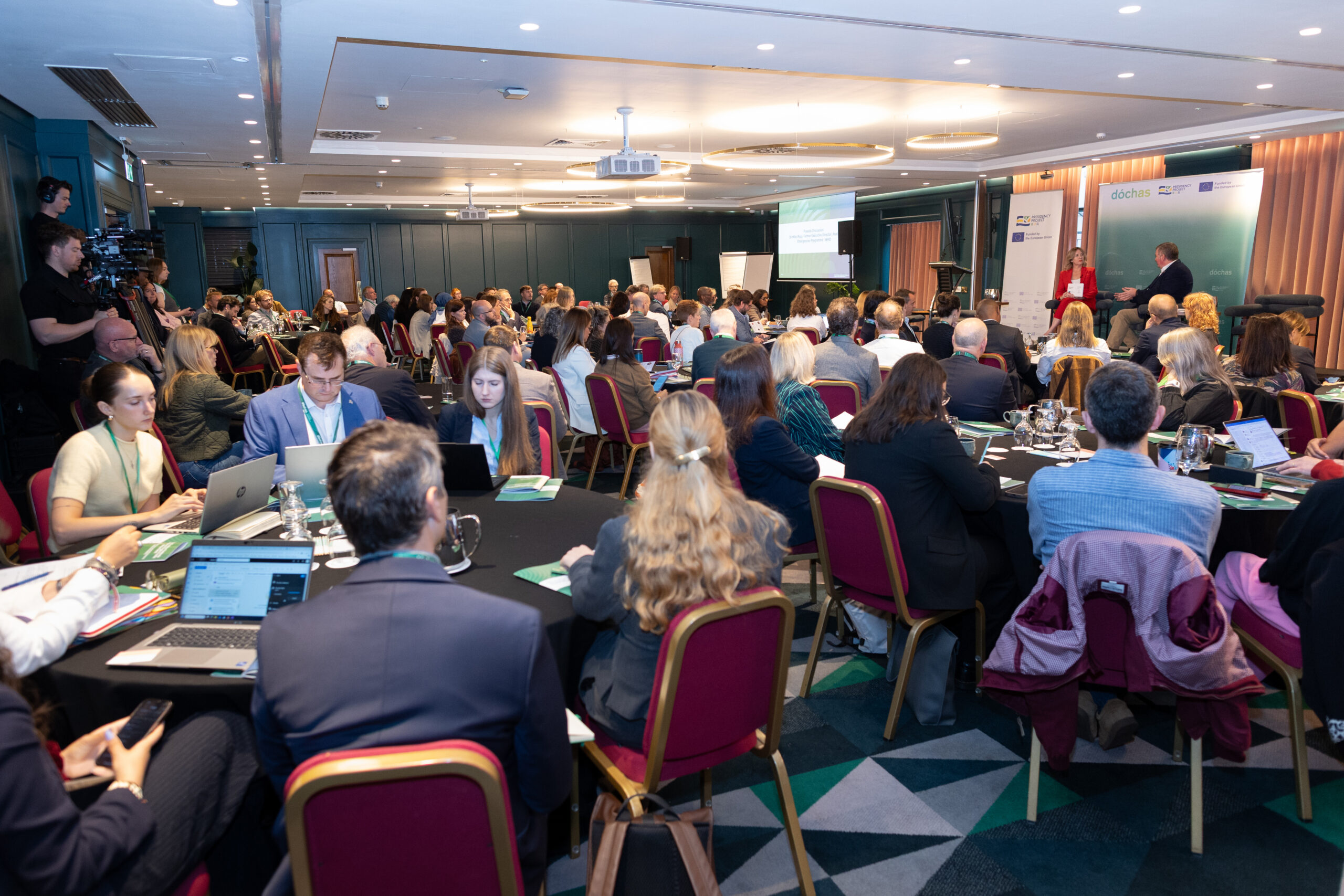
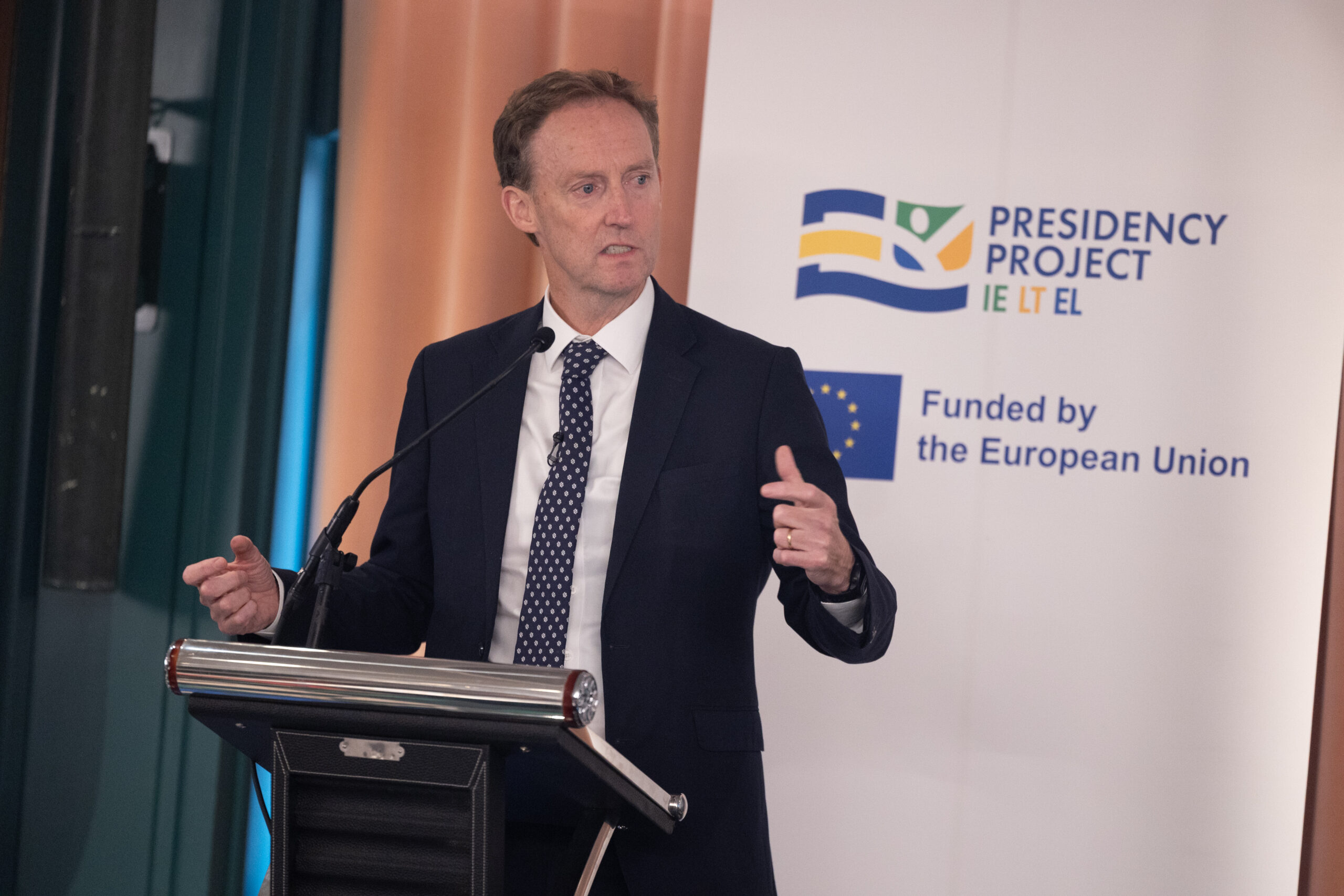
A High-Level Forum convened by Dóchas for Ireland’s EU Presidency

The Alex Hotel, Dublin, Ireland

Friday, 25 September 2026

9:00-16:30

This event is recognised as an Associated Event of the Irish Presidency of the Council of the European Union 2026.
Contexts presenting a high degree of fragility are becoming increasingly prevalent. Conflict, climate shocks, economic instability, and restricted civic spaces intersect, placing millions of people at risk and reversing development gains. As humanitarian needs continue to outpace available resources, and with progress on the 2030 Agenda faltering in highly fragile settings, the EU’s role as a principled humanitarian, development, and peace actor is more critical than ever.

This forum aims to examine how the EU Integrated Approach to Fragility can be practically operationalised, scaled, and measured on the ground. It aligns with the priority themes of the Irish Presidency of the Council of the EU, specifically addressing the need to safeguard ODA, advance values based external action, and deliver on sustainable funding that protects poverty eradication goals. Discussions will draw on the Dóchas’ civil society paper on financing for fragile and conflict-affected settings, which shall be launched during this event. By moving beyond policy and looking at concrete case studies from highly fragile contexts, this event will explore how EU institutions, Member States, and civil society can build shared accountability, advance transformative funding, ensure gender-transformative and protective approaches and deliver sustainable resilience.

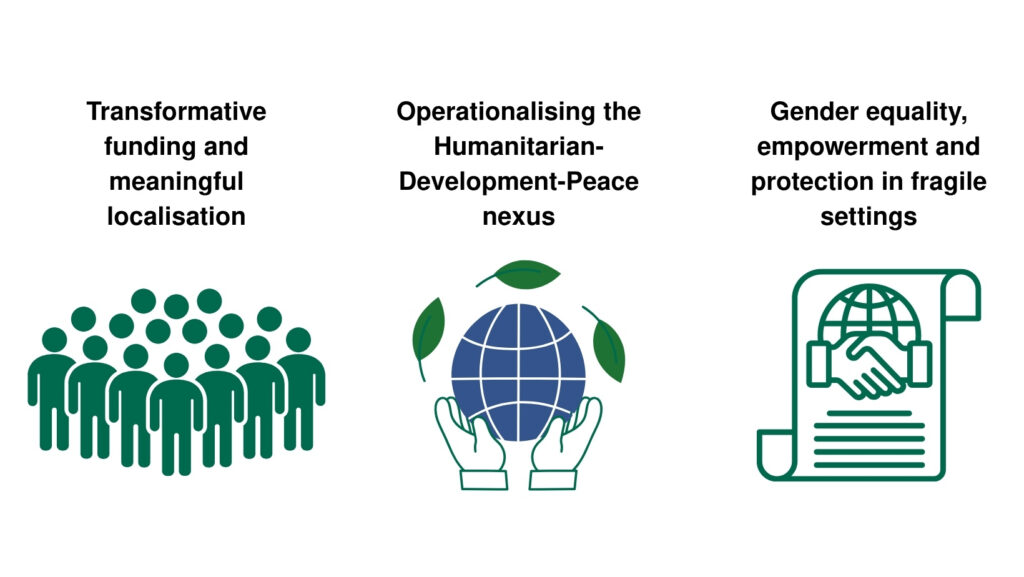
Key Themes

Agenda

09:00 – 09:30

Registration & Coffee

09:30 – 09:40

Welcome & Introduction

Opening remarks and setting the objectives for the day.

09:40 – 10:10

Keynote Address & Fireside Discussion

10:10 -11:10

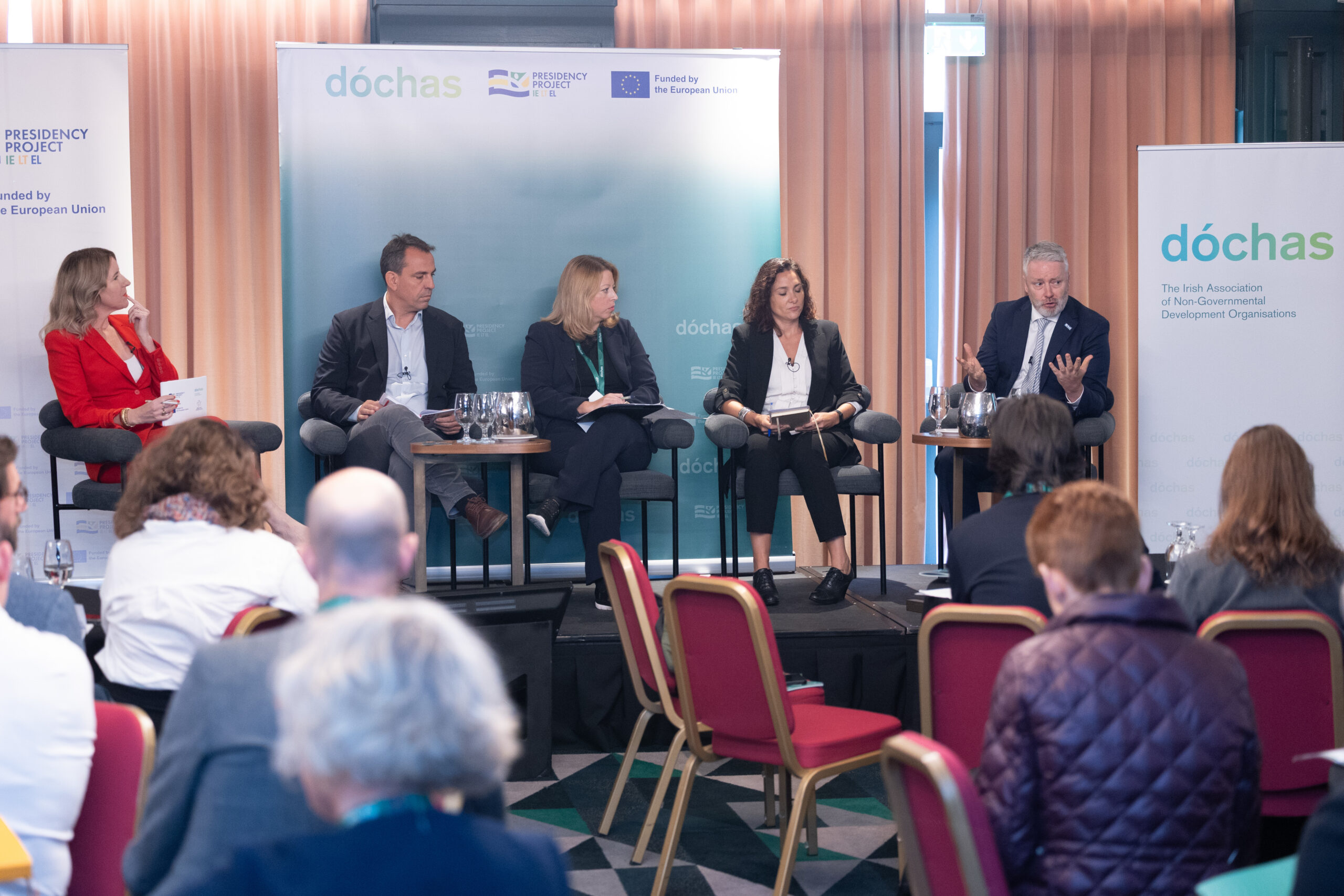
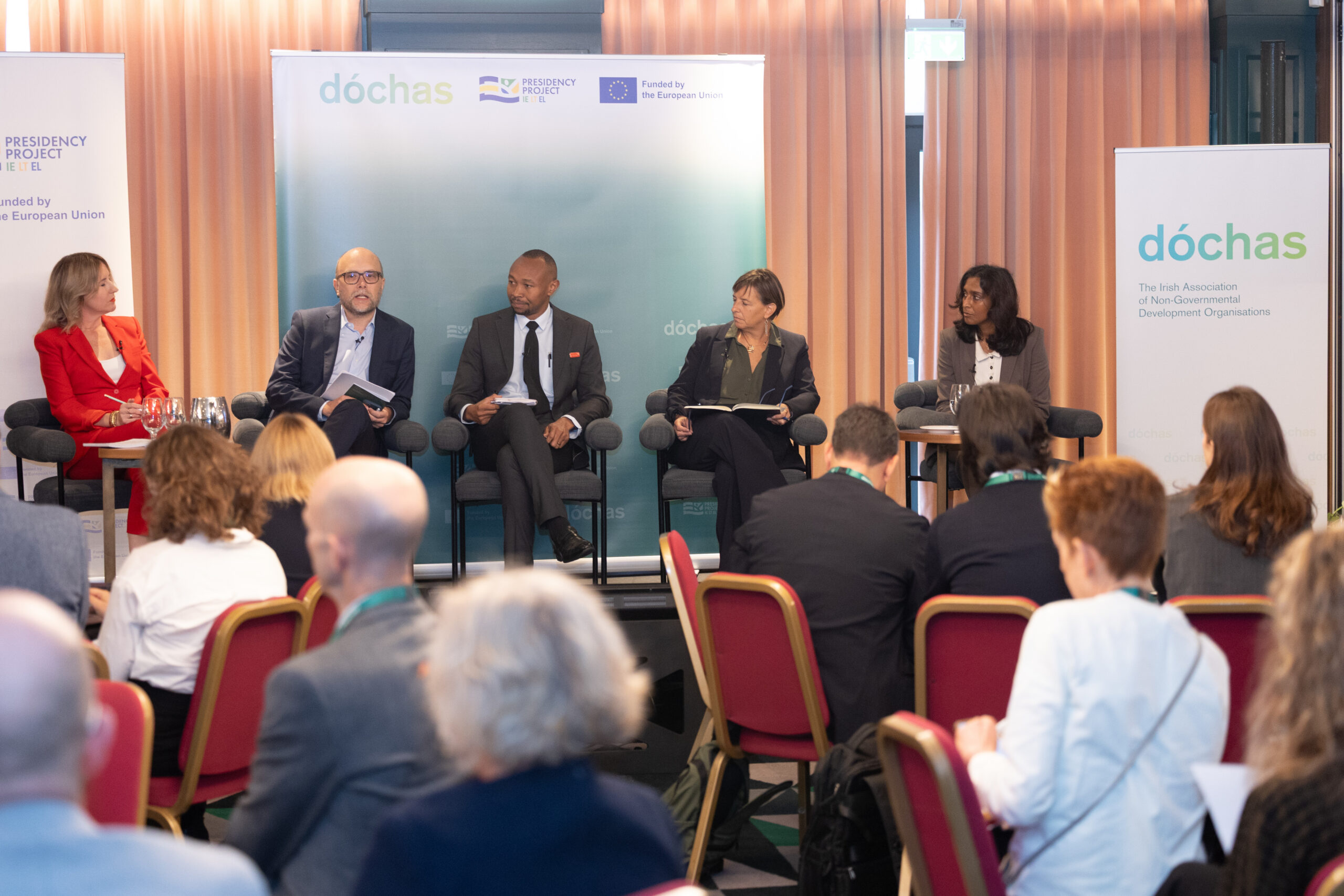
Panel Discussion 1: Setting the Scene: FCAS and the Future of Development Financing

An introduction to the current context and state of play regarding funding for fragile and conflict-affected states (FCAS). This session examines the implications of the EU Council Conclusions on Humanitarian Aid and the three staff working documents for the sector, establishing a foundation for the day’s collaborative discussions.

11:10 – 11:30

Coffee Break 

11:30-  13:10

Combined Session 2: Mapping Enablers and Blockers : The EU Integrated Approach in Practice

This session bridges high-level policy frameworks with the operational realities of delivering aid on the ground.


Part 1: Programmatic Insights & Context Case Studies 
Country programme reflections from practitioners highlighting the realities of flexible funding, local ownership, and the Humanitarian-Development-Peace (HDP) nexus on the ground:

  • Sahel: Focus on education in conflict settings
  • Myanmar: Focus on locally led response in conflict settings
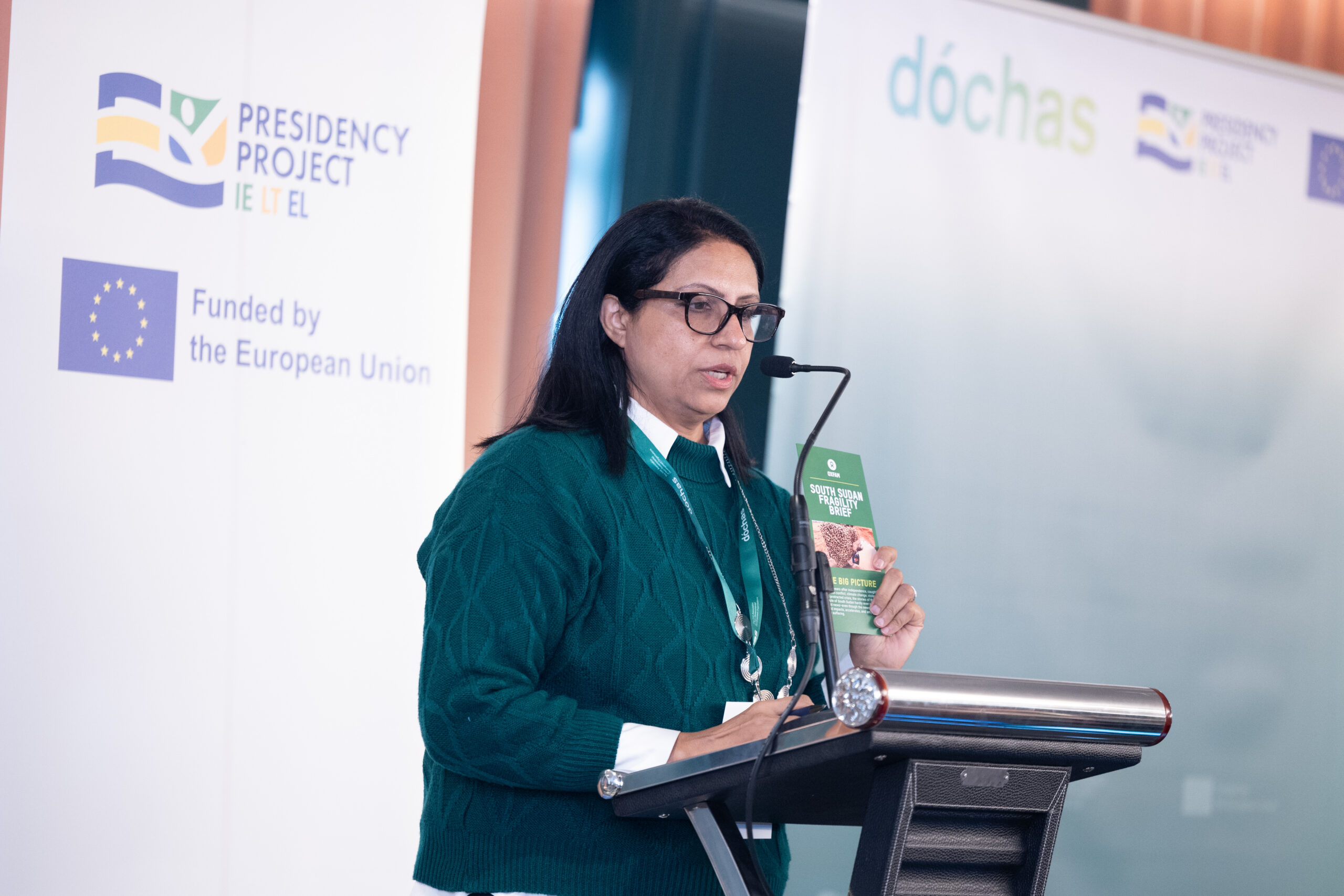
  • South Sudan: Focus on climate vulnerability and women-centred protection


Part 2: Panel Debate & Stakeholder Dialogue 
Panellists respond to insights from country programme experts, evaluating how the EU’s evolving policy architecture can move beyond small-scale pilots to deliver truly sustainable resilience.

13:10 – 13:50

Lunch 

13:50 – 14:50

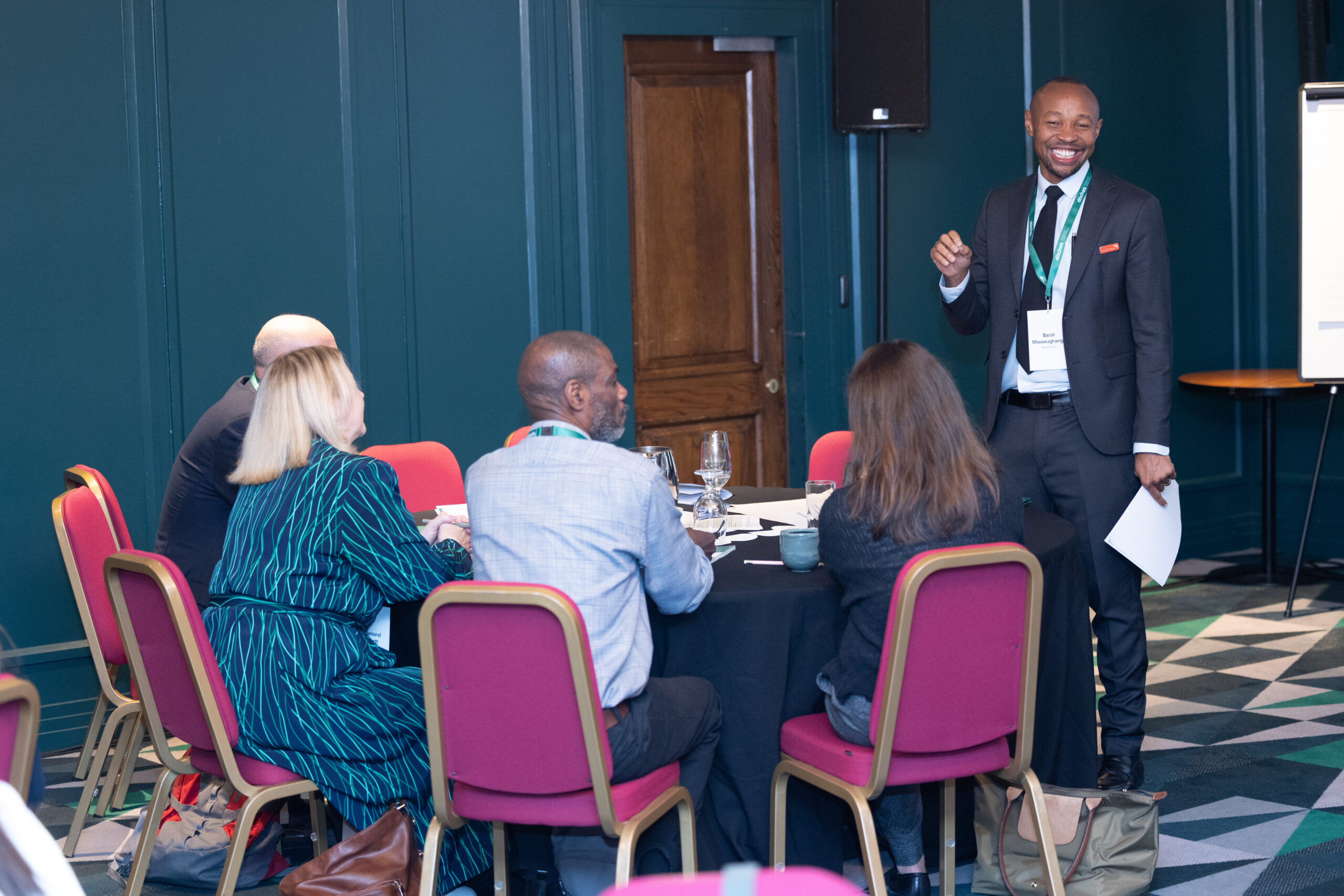
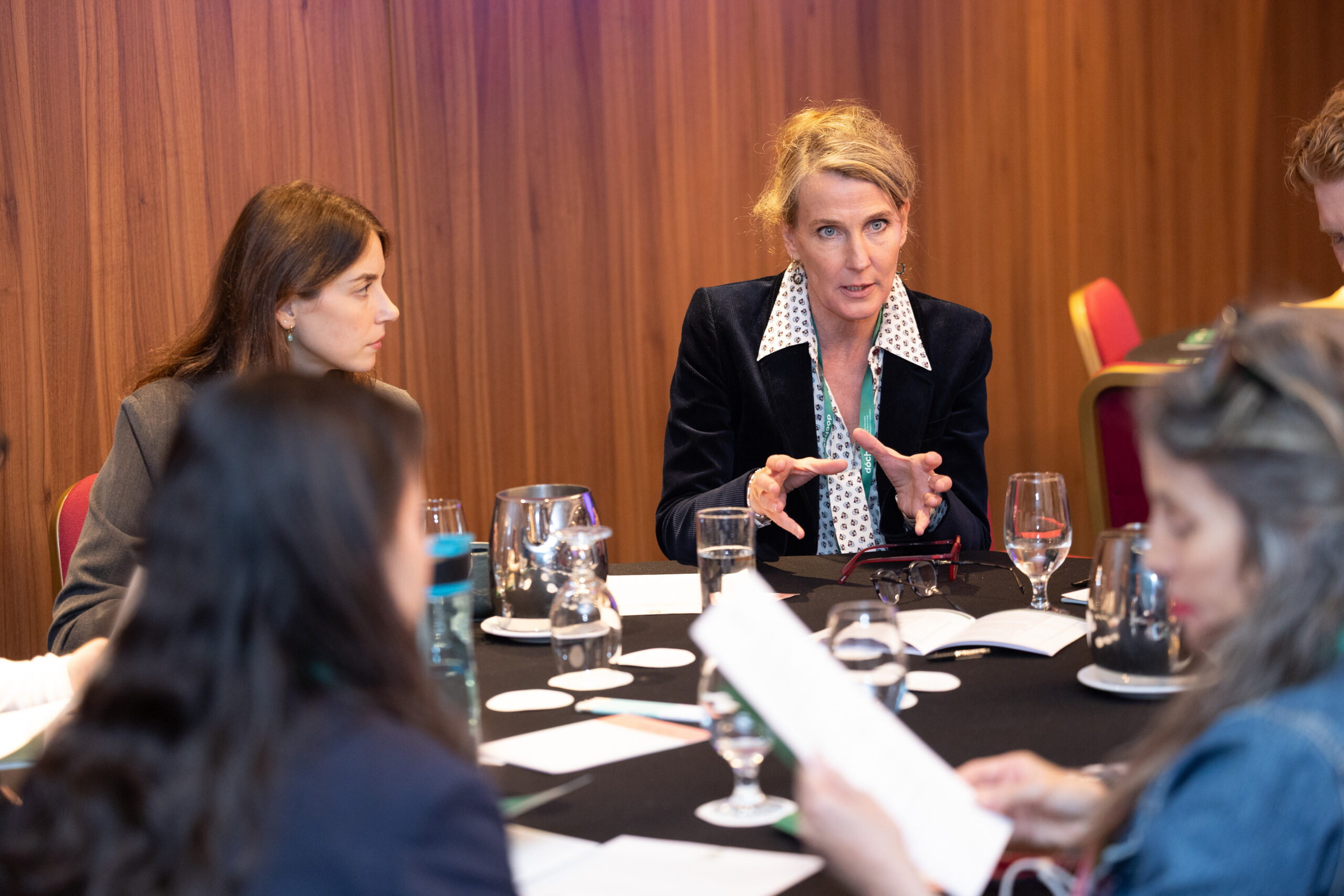
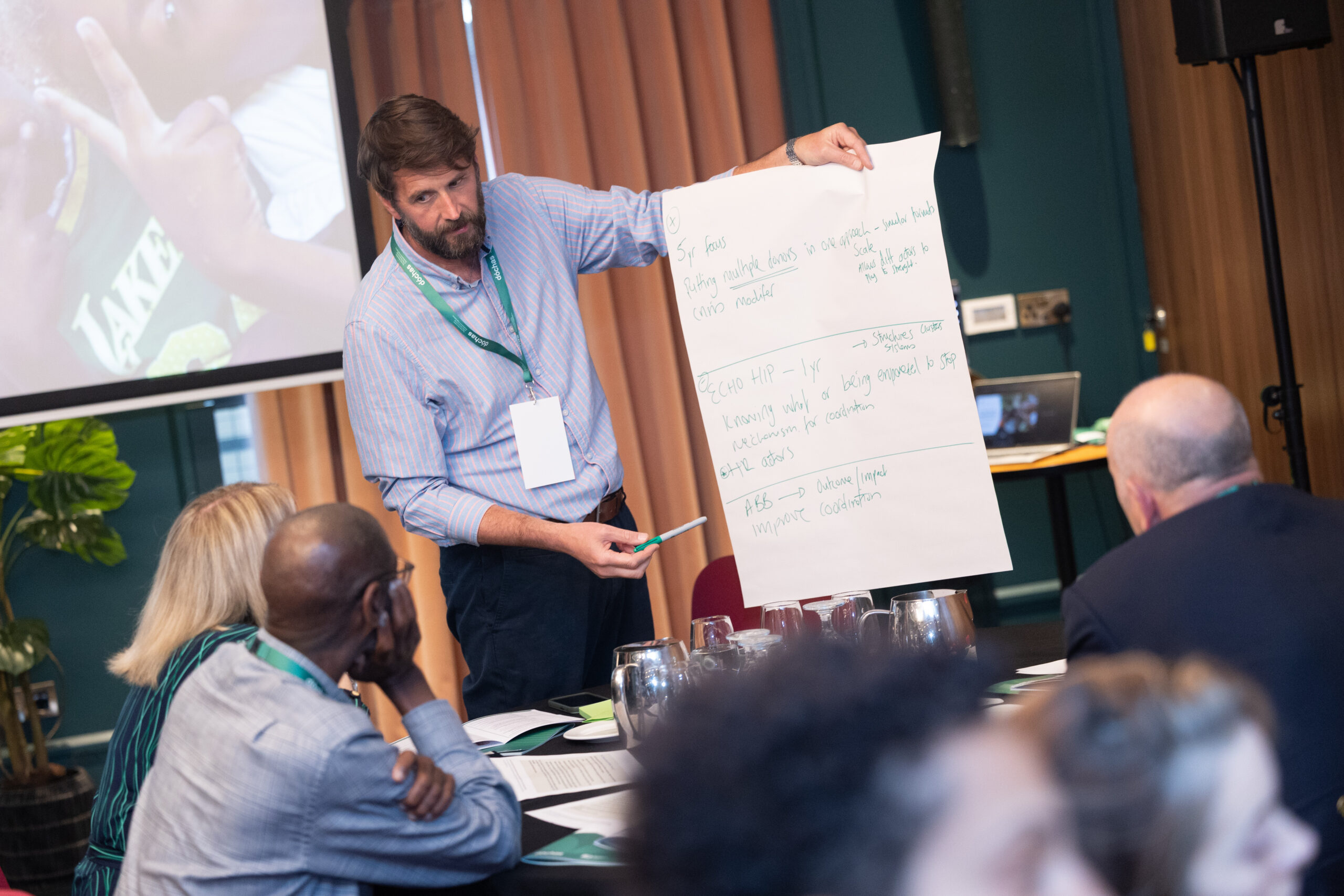
Parallel Thematic Workshops: Strategic Solutions

Three interactive, parallel sessions designed to tackle structural bottlenecks and build practical recommendations:

  • Session 1: Operationalising the HDP nexus in practice. 
  • Session  2: The Global Gateway and private sector engagement in fragile contexts.
  • Sessions 3: Building a locally owned, women-centred, joined-up EU approach. 

14:50 -15:20

Networking & Refreshments Coffee Break 

15:20 – 16:20

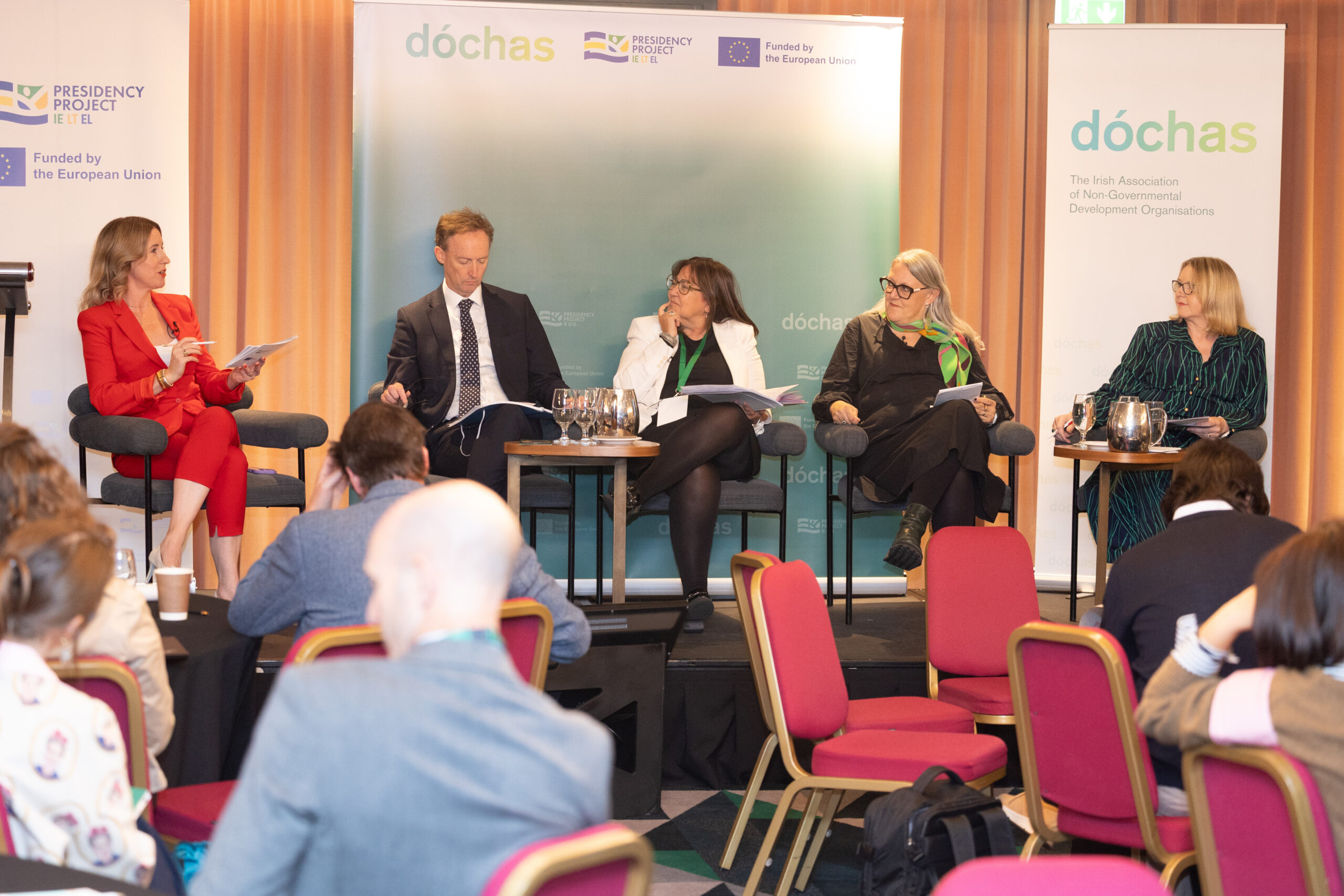
Panel Discussion 3: Looking Ahead:  Delivering the Future Funding of Sustainable Development in FCAS

This closing plenary transitions the day’s discussions into political action, looking at future funding and broader EU policy shifts.

  • Plenary Feedback from Rapporteurs: Direct feedback from workshop rapporteurs on core policy recommendations to ensure civil society perspectives are actively heard by decision-makers.
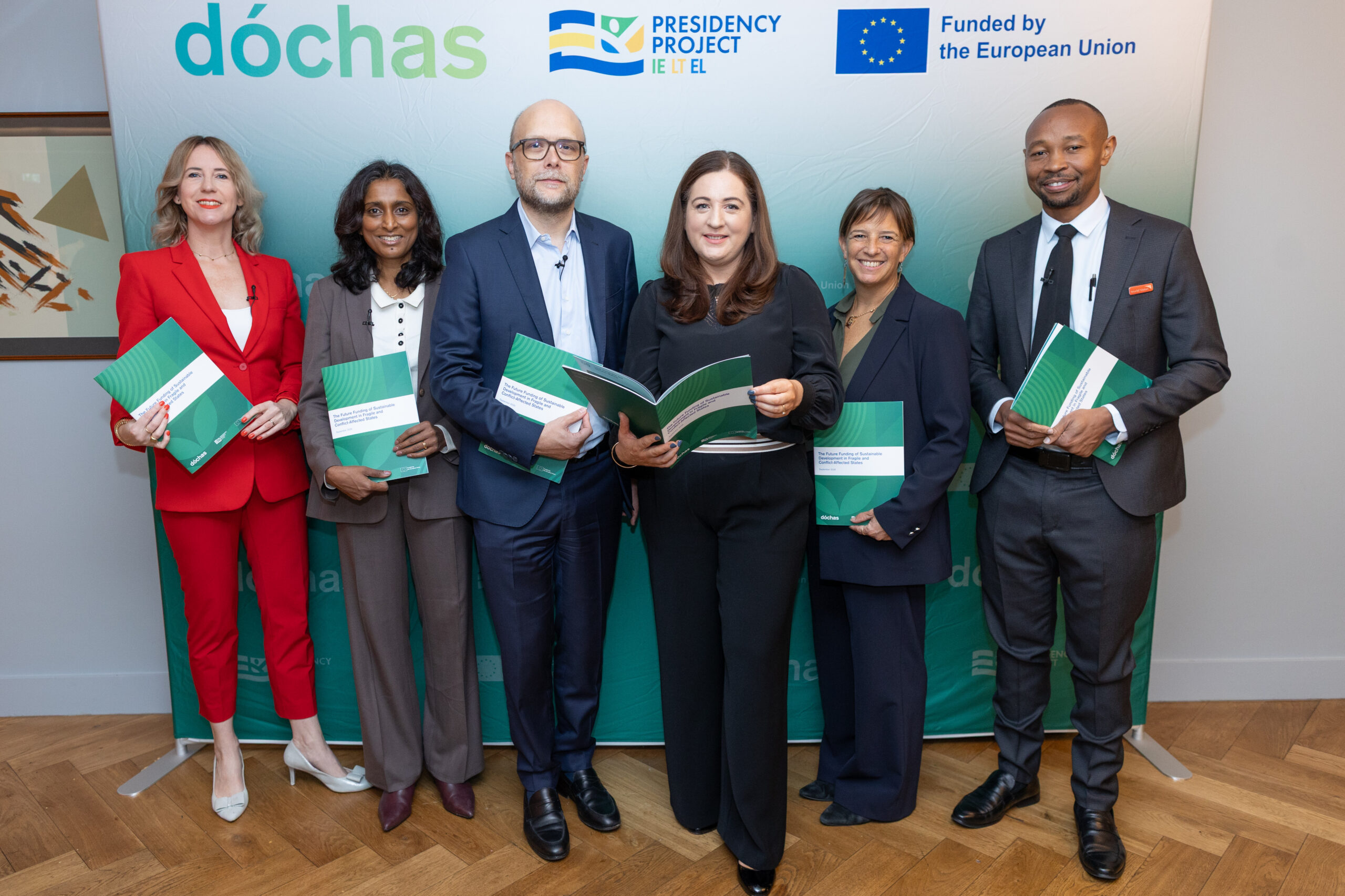
  • High-Level Panel Response & Policy Paper Reflection: Panel reflections on rapporteur recommendations alongside strategic findings from the newly launched Dóchas policy paper: The Future Funding of Sustainable Development for Fragile and Conflict-Affected States.

16:20 -16:35

Closing Remarks

Speakers and Panellists

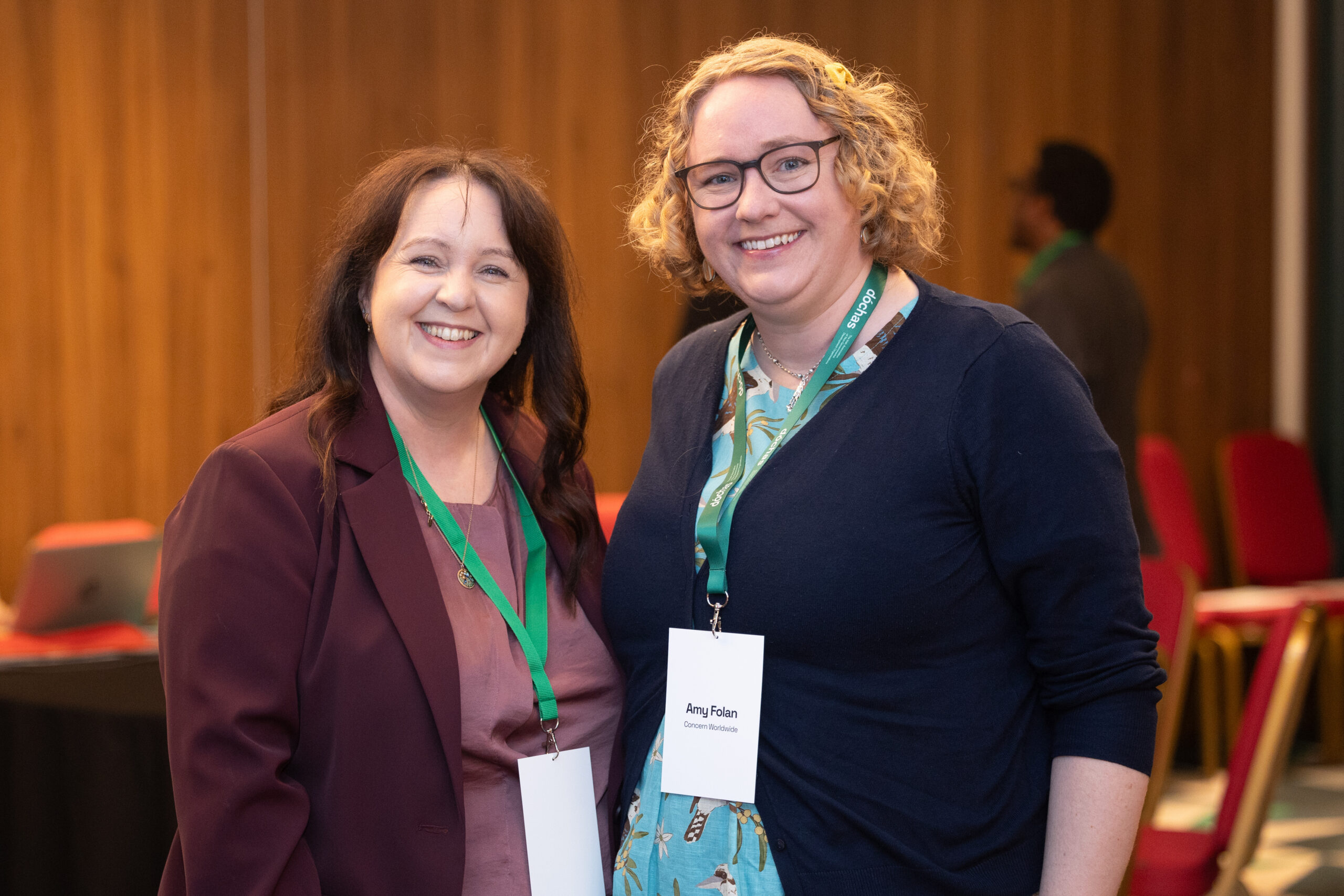
Dóchas is delighted to welcome an esteemed panel of speakers and experts, featuring representatives from EPLO, the World Bank, the European Parliament, Oxfam International, DG ECHO, DG INTPA, VOICE (Voluntary Organisations in Cooperation in Emergencies), Concern Worldwide, Christian Aid, World Vision and GOAL.

Share this page: